Financing locally led adaptation: insights from ARA members

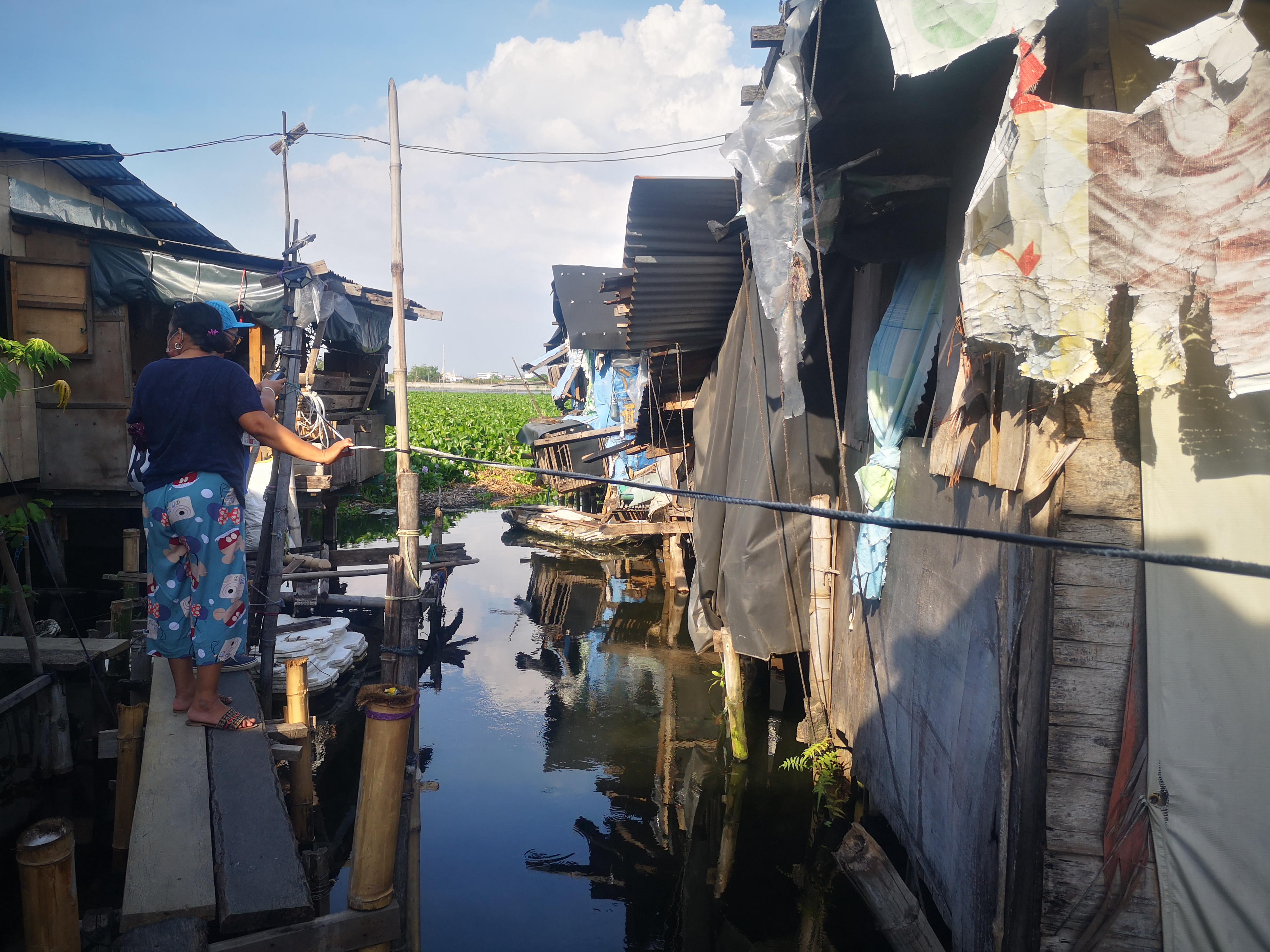
There is growing recognition that effective adaptation depends on local leadership. Top-down approaches often fail to reflect the specific needs and realities of communities and can reinforce existing vulnerabilities linked to limited resources, agency, and decision-making power. Locally led adaptation (LLA) shifts both power and resources so communities can define and pursue their own priorities, guided by principles that emphasise inclusion, collaboration, capacity-building, transparency, and accountability. LLA has gained prominence in policy and research discussions, including at major global forums, but this attention has not yet translated into widespread practice.
Finance for LLA remains limited and uneven. Despite growing endorsement of LLA principles, only a small number of projects have been funded through major climate finance mechanisms, far below stated ambitions such as directing the majority of climate finance to local actors. Many programmes reference LLA but do not fully apply its principles in design and implementation. ARA’s own work, including micro-grants and regional learning processes, shows that while interest is increasing, there is still a gap between commitment and delivery.
Local organisations face multiple barriers in accessing and using finance. These include restrictive funding criteria, unequal distribution of resources, and requirements that favour larger or more experienced institutions. Even when funding is secured, rigid reporting, limited flexibility, and short timelines constrain impact. ARA members highlight a broader disconnect between funders and local actors. To address this, this brief highlights what can be done. In particular, funders need to simplify processes, invest in local capacity, enable direct engagement, provide flexible and longer-term funding, and rethink how results are assessed. Without these changes, scaling LLA will remain difficult despite strong global support.
Further resources




Brief: Shifting climate adaptation finance to local communities through effective intermediaries

Comments
There is no contentYou must be logged in to reply.