Bridging research & action
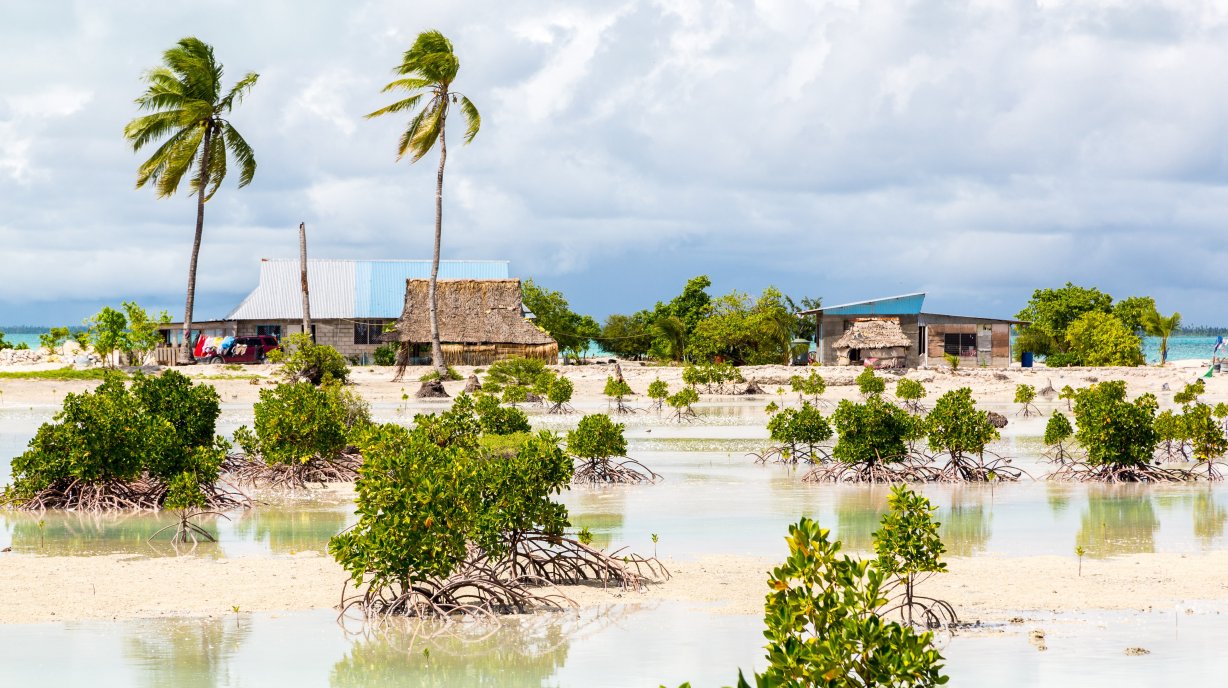



Paper: Nature-based solutions for climate adaptation in small island developing states: a systematic review
A first-of-its-kind review provides valuable evidence that Nature-based Solutions (NbS) can be effective climate adaptation strategies in Small Island Developing States (SIDS), with broadly positive social, ecological, and economic outcomes.



Building community-based adaptation roadmaps in the aftermath of a hurricane: Lessons from Providence Island
This case study examines how participatory mapping and community-led planning in Old Providence and Santa Catalina (Colombia) enabled residents to co-create locally grounded adaptation roadmaps after Hurricane Iota, while revealing the structural, economic, and psychosocial barriers that continue to influence just and sustainable recovery in small island contexts.


ARA is at COP 30 Belém
The ARA is pleased to join its members and partners in Belém, Brazil, for the 30th session of the Conference of...
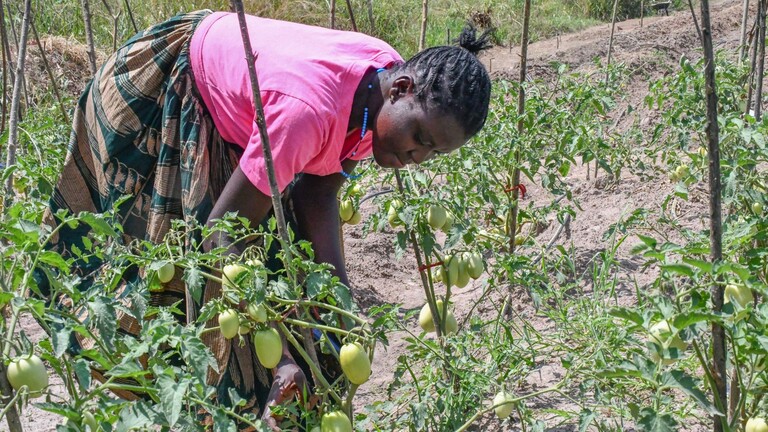


Blog: How hidden barriers exclude marginalised groups from creating and sharing knowledge, critical for climate adaptation
Inclusion is integral to discourse around social and climate justice. Yet at different levels and in different contexts, crucial voices go unheard. Susan Nanduddu and Lilian Motaroki highlight hidden barriers that can obstruct inclusion of the groups most vulnerable to climate impacts.
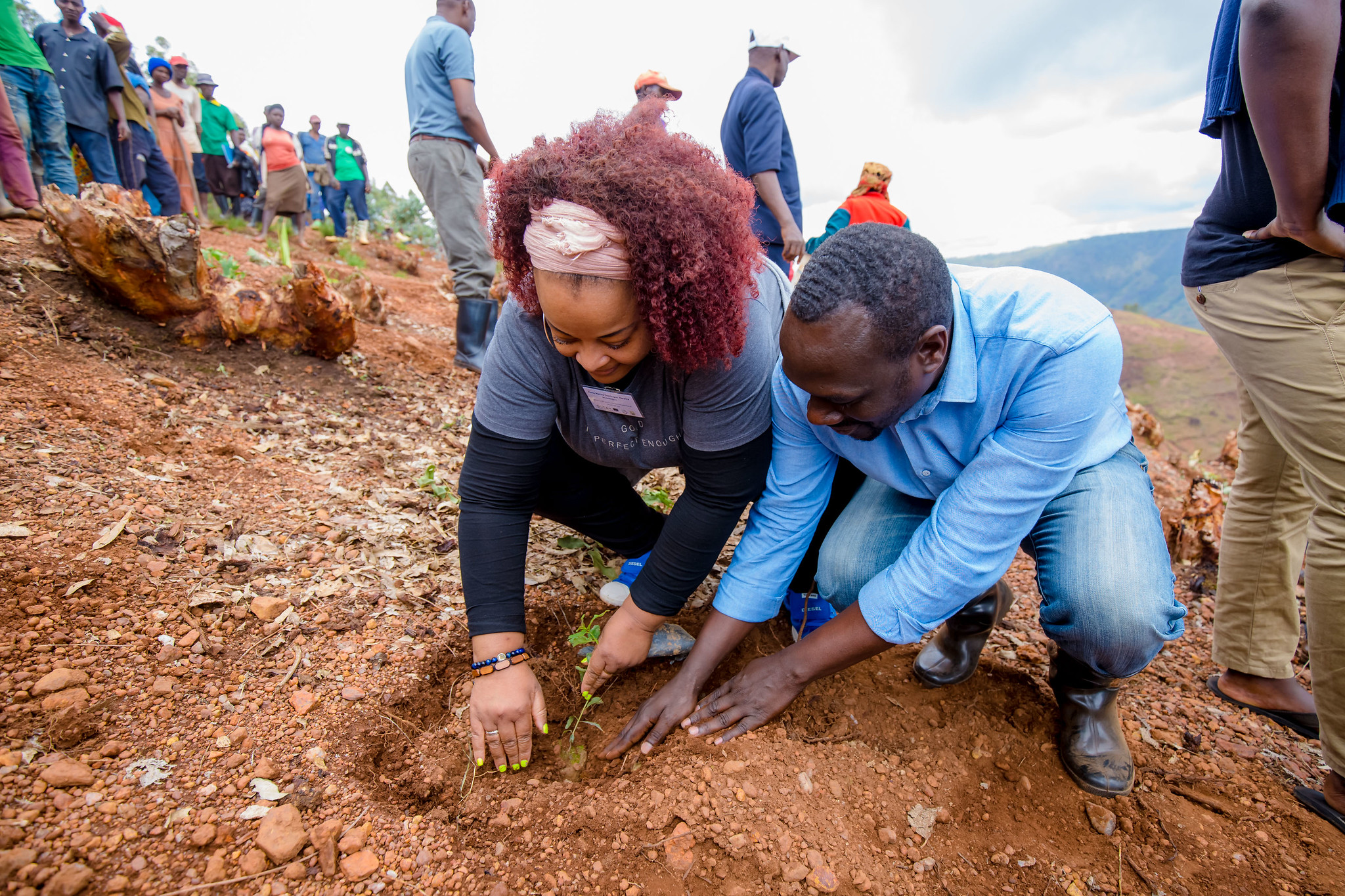

Beyond the bubbles: bridging divides for just climate action
This piece argues that locally led adaptation, where communities define and drive climate priorities, is essential for bridging political, social, and geographic divides to achieve inclusive and equitable climate action.
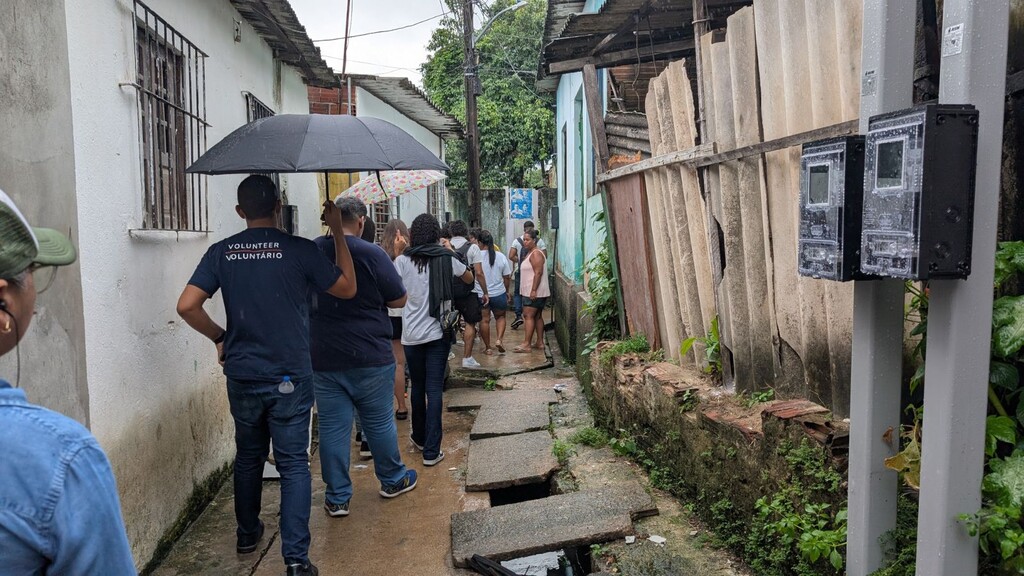
Resilient cities, resilient futures: taking urban lessons from CBA19 to COP30
Urban action was one of three themes framing the 19th International Conference on Community-Based Adaptation to Climate Change (CBA19). Urban communities brought critical insights on how to make climate adaptation both just and equitable. These insights must be integrated into global climate decision making at COP30 later this year.
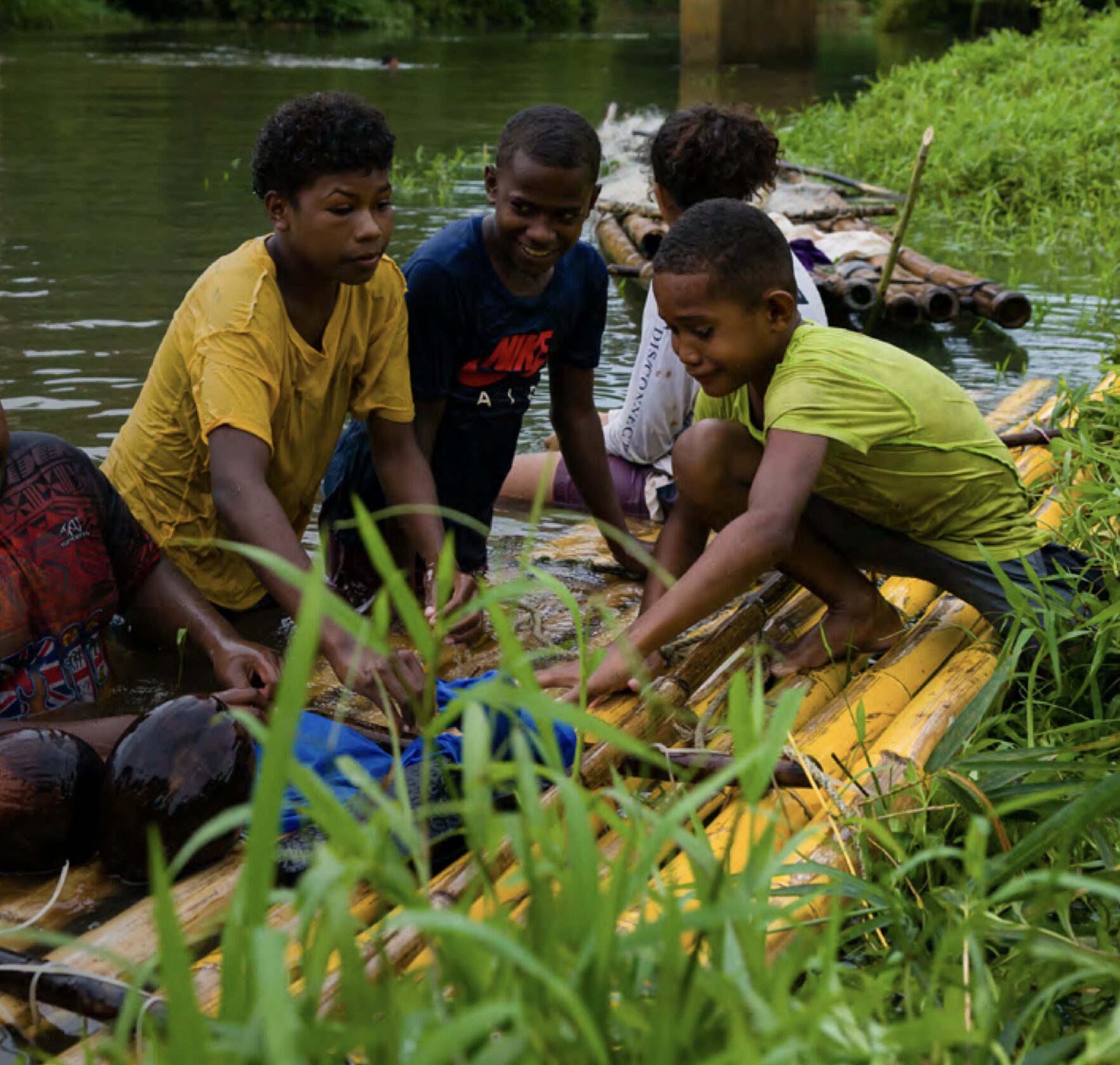
Traditional ecological knowledge for climate change adaptation and disaster risk reduction in Fiji
This report examines the relationship between traditional ecological knowledge (TEK) and the adaptive capacity of vulnerable communities in Fiji, as well as how TEK assists in climate change adaptation and disaster risk reduction (DRR).
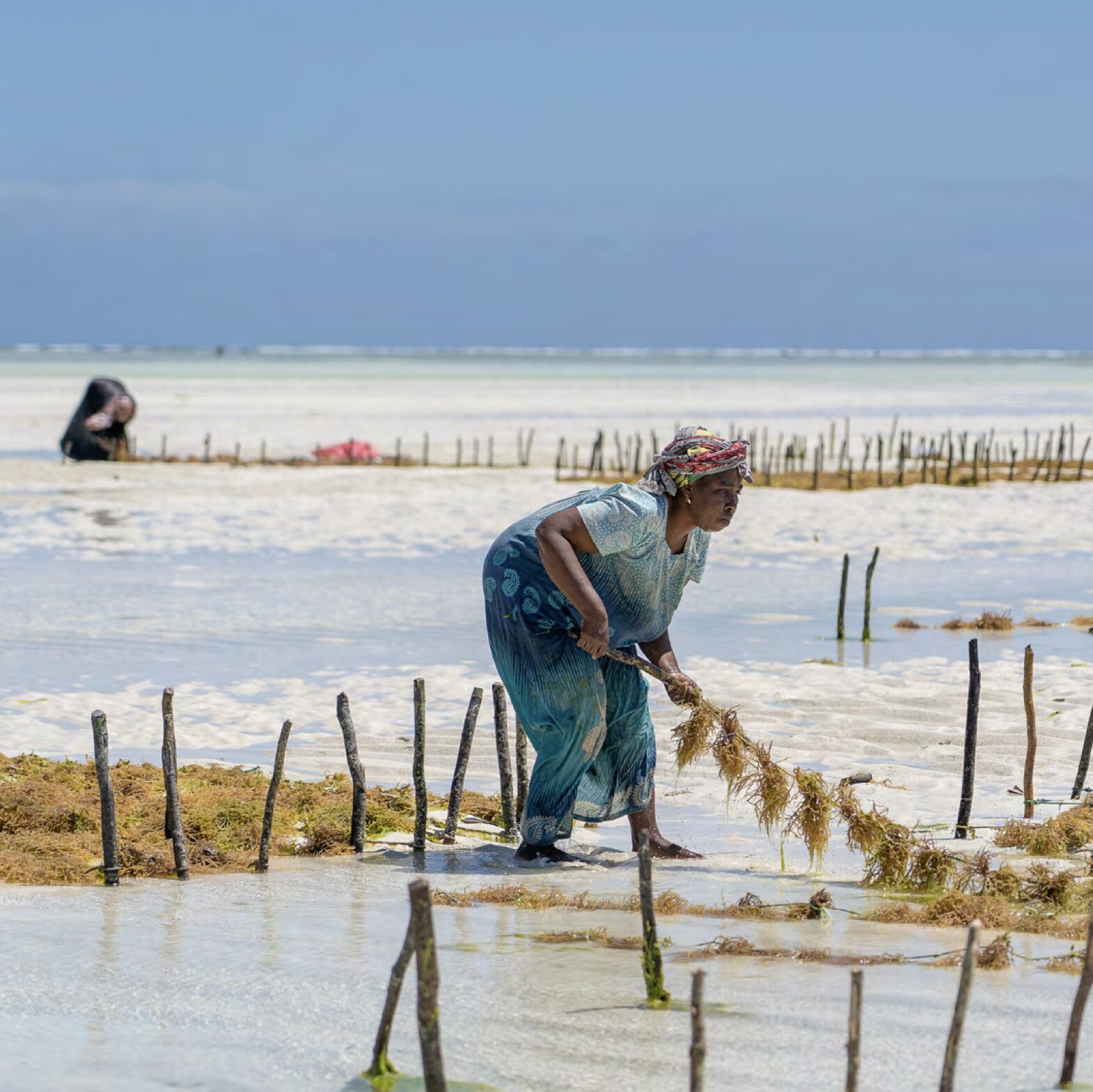

Advancing gender-responsive and socially inclusive practices in Nature-based Solutions for adaptation
By sharing promising practices and lessons learned, these case studies seek to inform and inspire adaptation practitioners and planners to help ensure that gender-responsive and socially inclusive practices are integrated throughout the lifetime of a project.
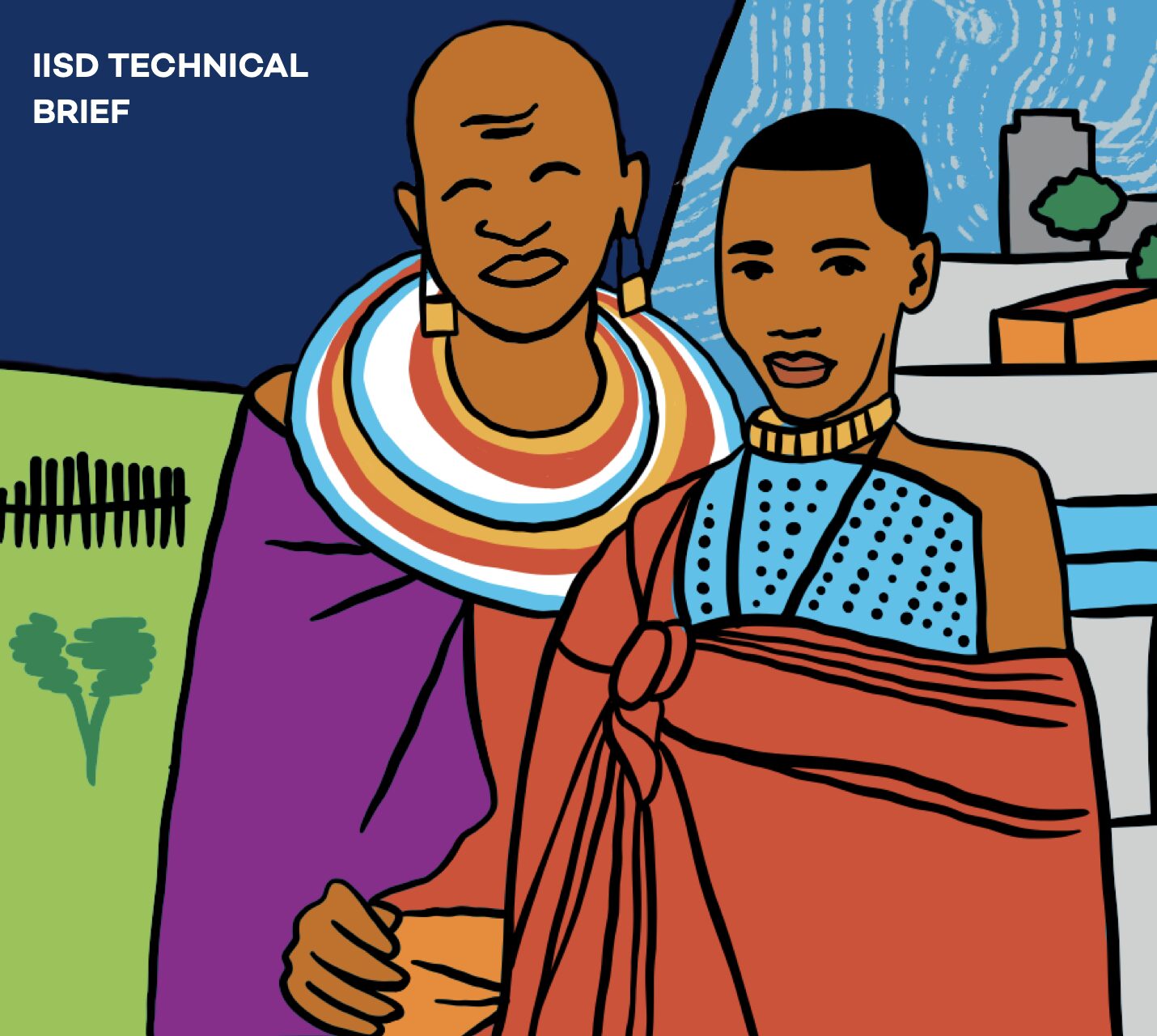

Mobilizing knowledge on gender, equity, and justice in climate change adaptation
Explore key gender and equity findings from the 6th Assessment Report of the Intergovernmental Panel on Climate Change (IPCC) – Working Group II on Impacts, Adaptation, and Vulnerability.
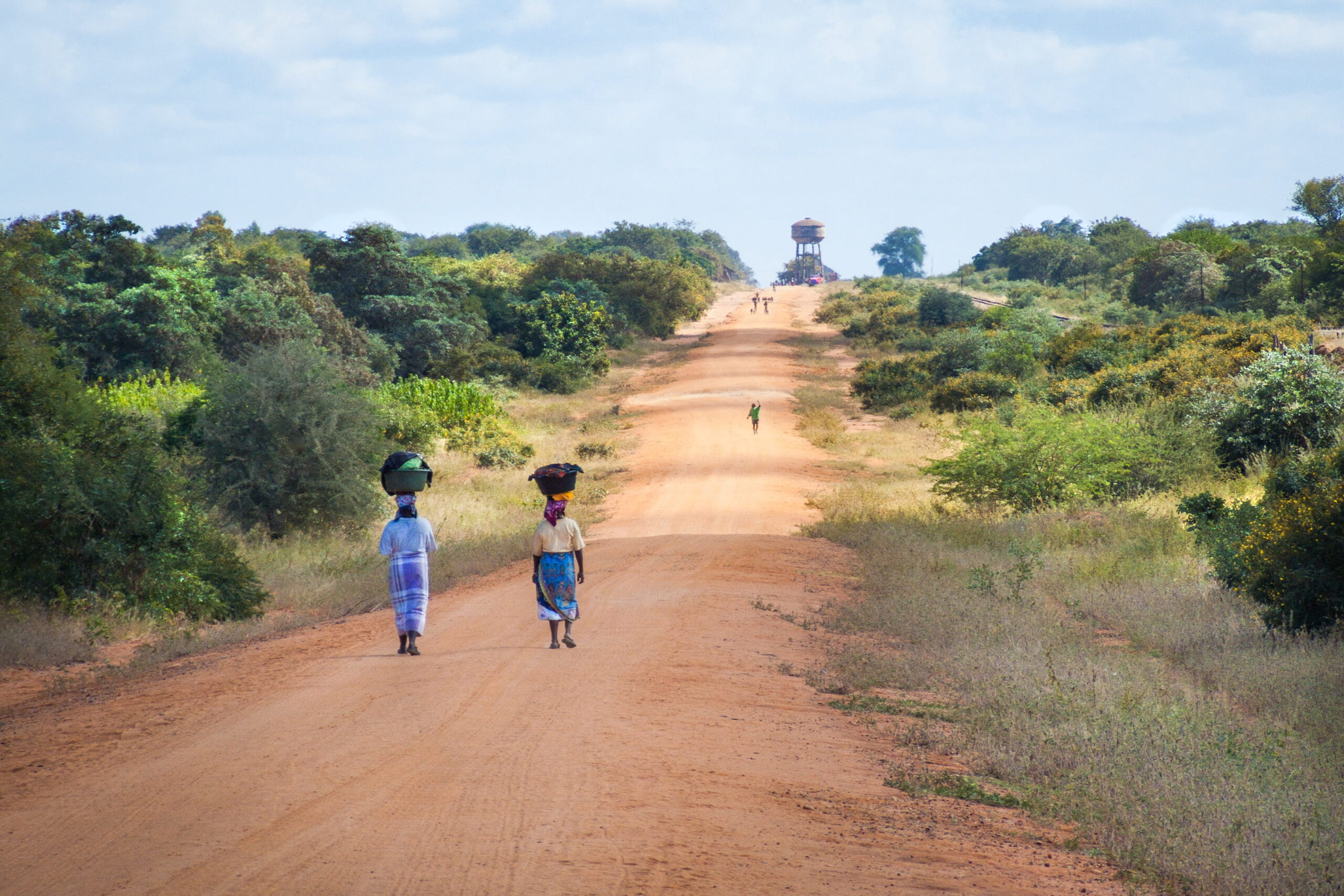


How to fix funding bottlenecks and pave the way for locally led adaptation
A new survey explores the operational bottlenecks preventing local organisations from accessing climate adaptation funding. As the UN General Assembly approaches, IIED’s May Thazin Aung and BRAC’s Sousan Suha share the survey’s findings and explains how funders can smooth the way for locally led adaptation.