Financing locally led adaptation: insights from ARA members

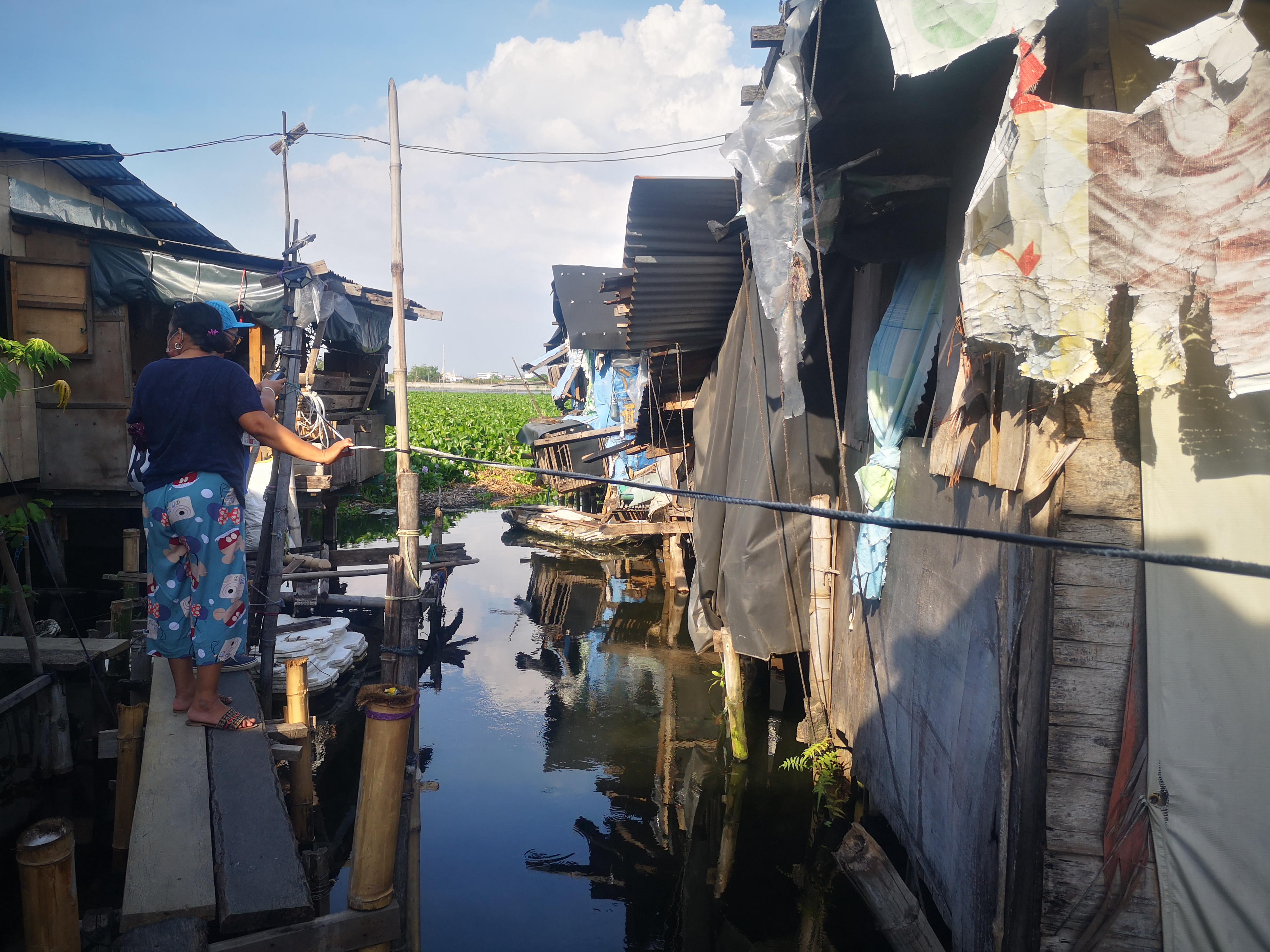
There is growing recognition that local leadership is crucial to effective adaptation. Top-down approaches cannot provide solutions tailored to each community’s specific needs, and they may perpetuate a key driver of vulnerability: lack of resources, agency and decision-making power.
Locally led adaptation (LLA) goes beyond engaging local stakeholders in adaptation planning – it shifts power and resources so they can set and pursue their own adaptation priorities. The principles for LLA, published in 2021 and since endorsed by more than 130 governments, funders, UN agencies, research institutes, and non-governmental and civil society organizations, also set high standards for inclusion, collaboration, capacity-building, transparency and accountability (see box; GCA, 2021).
LLA has quickly risen to prominence in adaptation research and policy debates alike. A full third of the agenda of the 19th International Conference on Community-based Adaptation to Climate Change (CBA19) in Recife, Brazil, in May 2025 focused on LLA, and LLA was a key topic in discussions around the Global Goal on Adaptation under the Paris Agreement and a recurring theme at COP30 in Belém in November 2025.
Yet actual finance for LLA has been slow to materialize. The Green Climate Fund only unveiled a framework for “locally led climate action” in 2024, and as of December 2024 it had funded just two locally led projects, in Angola and Bhutan (GCF, 2025). The Adaptation Fund, which contributed to developing the LLA principles and prioritized LLA in its 2023–2027 strategy, had approved six single-country LLA projects as of June 2025, along with a USD 30 million funding envelope for regional LLA projects and programmes (Adaptation Fund, 2025).
The small numbers stand in sharp contrast to the Least Developed Countries’ LDC 2050 Vision, which strives for at least 70% of climate finance flows to support local-level action by 2030 (LIFE-AR, 2019). That goal was set after a study found that in 2003–2016, less than 10% of finance had reached local actors (Soanes et al., 2019).
An August 2025 briefing by the International Institute for Environment and Development (IIED), an ARA member, found that although many projects and programmes are now “moving towards” LLA approaches, “few are based on the LLA principles from the start and fully embed them across all elements of programme design, implementation, and monitoring and evaluation” (Mitchell et al., 2025, p. 2).
So what will it take to accelerate the adoption of LLA and scale it up globally? And how can researchers contribute? This brief draws on insights from ARA members around the world, particularly in the Global South, to highlight priorities for researchers, practitioners and funders.
Comments
There is no contentYou must be logged in to reply.