
Every year, millions of people move to cities in search of jobs and other economic opportunities. Urban residents also often enjoy a better quality of life overall than their rural counterparts, with greater access to education, healthcare, public transport, and even basics such as electricity and safe drinking water.
Yet cities also concentrate climate risks and vulnerability. Built-up areas can be highly prone to flash flooding during heavy rainfall, as the ground cannot quickly absorb large quantities of water. Streets, buildings and other infrastructure also absorb and radiate heat, exacerbating the impact of rising temperatures and heatwaves.
And in lower-income countries, especially, living conditions for the urban poor can be dire, with low-quality (even improvised) housing and little or no access to basic services. In many cities, the poorest people, including vulnerable rural migrants, are also relegated to marginal areas, such as hillsides, along rivers or in low-lying coastal zones, where the risks of deadly floods and landslides are particularly high.
This is why, since the ARA’s launch, adaptation in urban areas has been a priority for action-oriented research. As of 2025, the UN has estimated, 45.6% of people in middle-income countries and 34.7% in low-income countries lived in cities, and those shares are projected to keep growing for decades (UN DESA, 2025). With disasters already occurring year after year, urban climate resilience cannot wait.
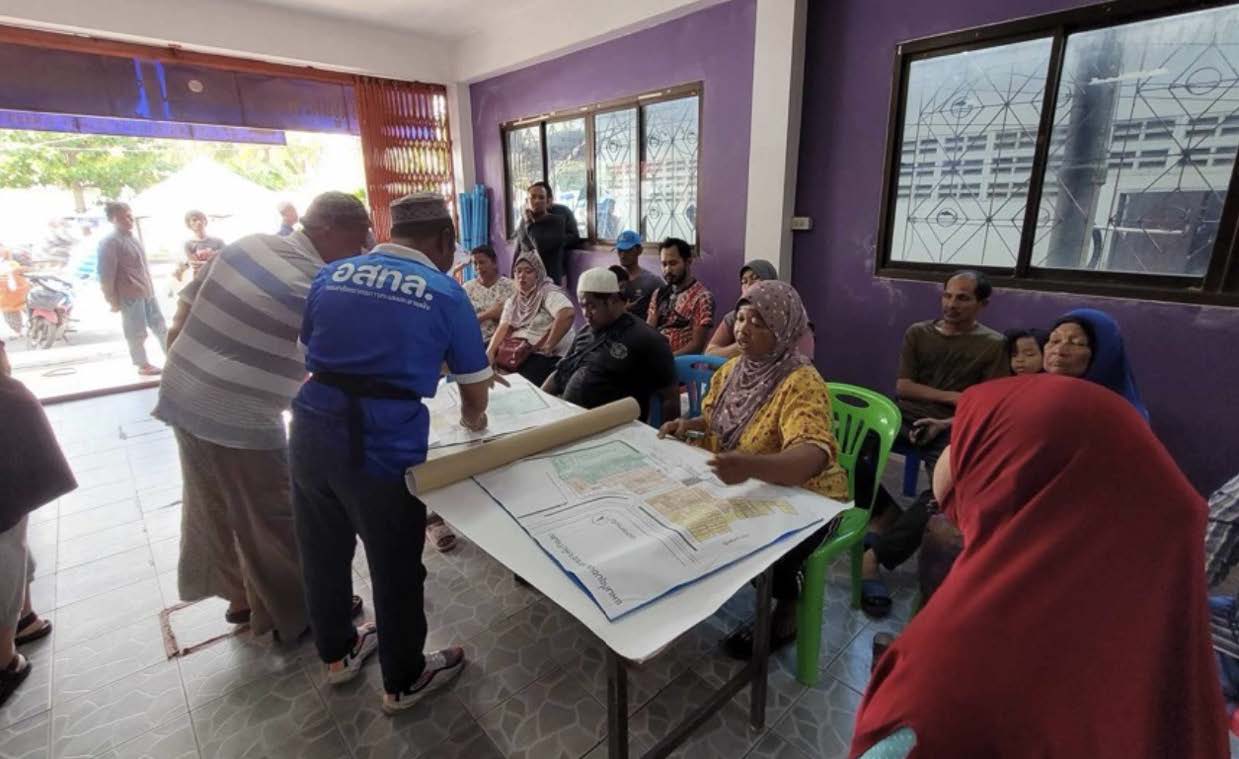
As part of the ARA’s 2023 Grassroots Action Research Micro-grants programme, 30 projects were awarded up to USD 18 700 each to conduct inclusive, locally led research to identify needs and opportunities for building resilience. About a third of the micro-grants were focused on urban adaptation challenges in particular.
Comments
There is no contentYou must be logged in to reply.