Participatory Research in Asia (PRIA): Finding effective, contextual solutions for urban resilience
Summary
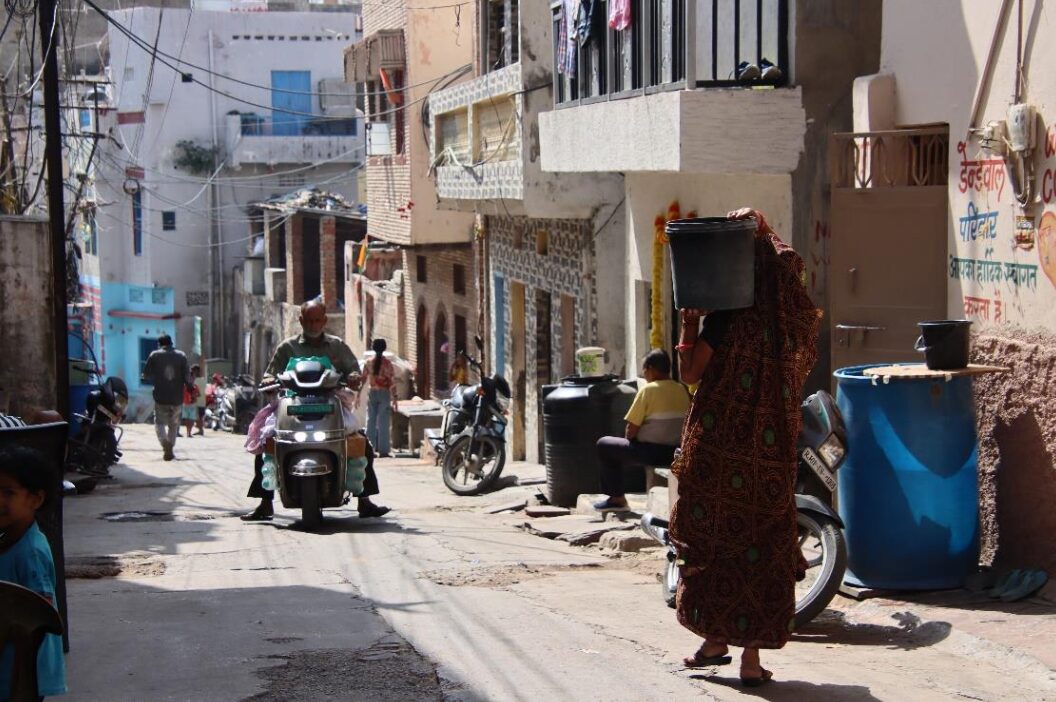
This Phase 2 Impact Report documents how the SECURe decision support framework was applied in Ajmer, India, to generate actionable, community‑led insights on urban water security through a strong Gender Equality and Social Inclusion lens.
Expanding the Phase 1 work, the project engaged seven informal settlements across five wards and combined participatory surveys, spatial mapping, and water quality testing with sustained collaboration between women’s Self‑Help Groups, MDS University and the Ajmer Municipal Corporation.
The findings reveal persistent inequities in water access, quality and governance, with women bearing a disproportionate burden. The report demonstrates that co‑produced data and institutionalised community–university–municipal partnerships can strengthen accountability, inform service delivery improvements and lay the foundation for inclusive, climate‑resilient urban water governance.
Comments
There is no contentYou must be logged in to reply.