Finding effective, contextual solutions for urban resilience: Piloting proposed decision support framework (SECURe) with emphasis on GESI in the Indian context
Summary
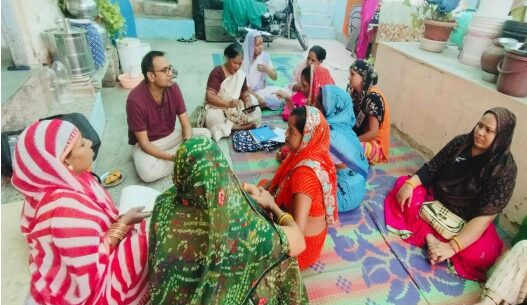
This report documents the piloting of the SECURe decision support framework in informal settlements in Ajmer, India, with a strong focus on Gender Equality and Social Inclusion. Drawing on participatory research across Wards 2 and 48, it examines water, sanitation and hygiene challenges, climate impacts, governance gaps, and entrenched gendered power dynamics that affect urban resilience.
The findings show that applying the SECURe framework helps surface power relations, amplify community knowledge, and highlight the critical role of women, self‑help groups and local organisations, while also identifying institutional barriers that limit effective service delivery.
The report concludes that embedding GESI and community co‑production within decision‑making processes strengthens the relevance, inclusivity and sustainability of urban resilience interventions in India’s informal settlements.
Comments
There is no contentYou must be logged in to reply.