Catalysing local solutions for urban adaptation challenges: highlights from ARA micro-grants

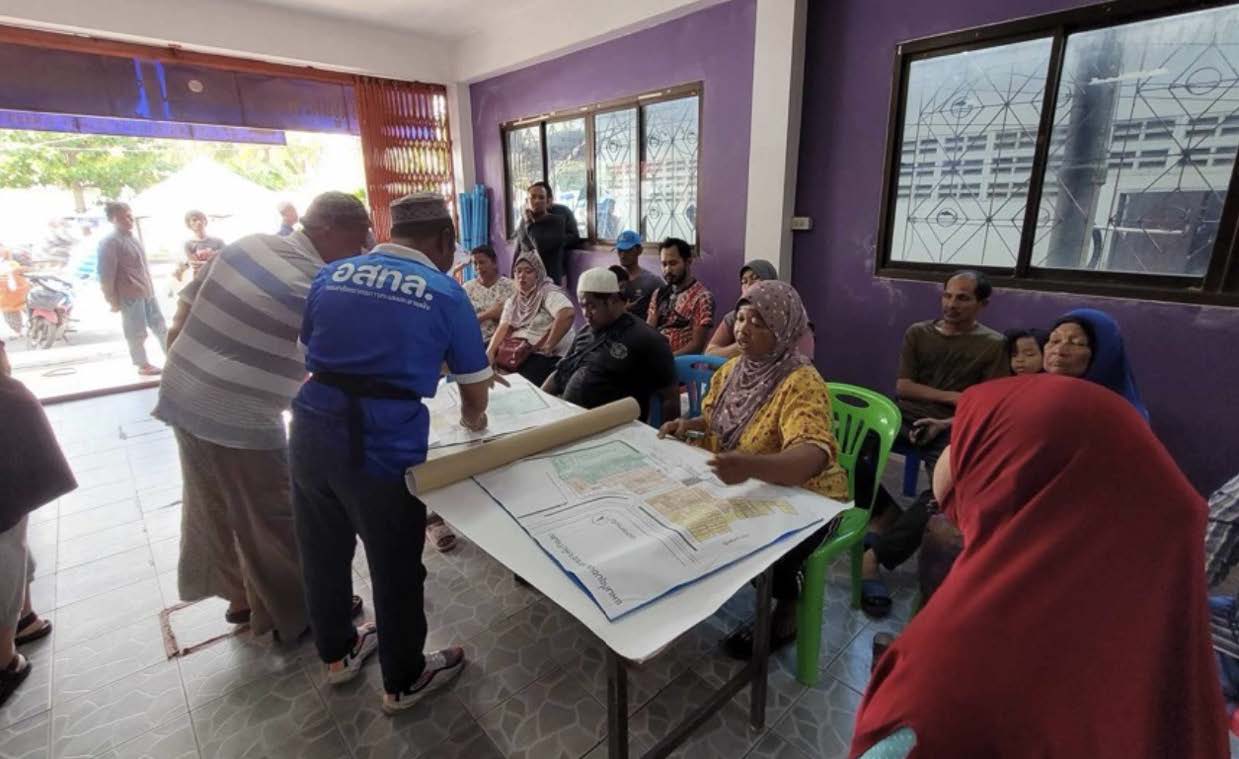
Every year, millions of people move to cities in search of work and better opportunities. Urban areas often offer improved access to education, healthcare, transport, electricity, and safe water, contributing to a higher overall quality of life compared to rural areas. This continued urban growth is expected to accelerate, with a significant and increasing share of populations in low- and middle-income countries living in cities.
At the same time, cities concentrate climate risks and vulnerability. Built-up environments are prone to flash flooding during heavy rainfall, as surfaces cannot absorb large volumes of water. Urban infrastructure also traps and radiates heat, intensifying the effects of rising temperatures and heatwaves. These risks are not evenly distributed. In many lower-income contexts, the urban poor live in precarious conditions, often in informal settlements with limited services and located in high-risk areas such as floodplains, hillsides, or coastal zones.
This is why urban adaptation has been a priority for ARA’s action-oriented research. Through the 2023 Grassroots Action Research Micro-grants programme, 30 projects were supported to conduct locally led research on resilience, with about a third focused on urban challenges. These projects provide grounded insights into how communities are responding to climate risks and where further support is needed. This brief synthesises their outcomes.
Further resources


Brochures: ARA Grassroots Action Research Micro-Grants
Building resilience by empowering women and girls: highlights from ARA micro-grants
Grassroots Action Research Micro-grants
Comments
There is no contentYou must be logged in to reply.