Call for Papers

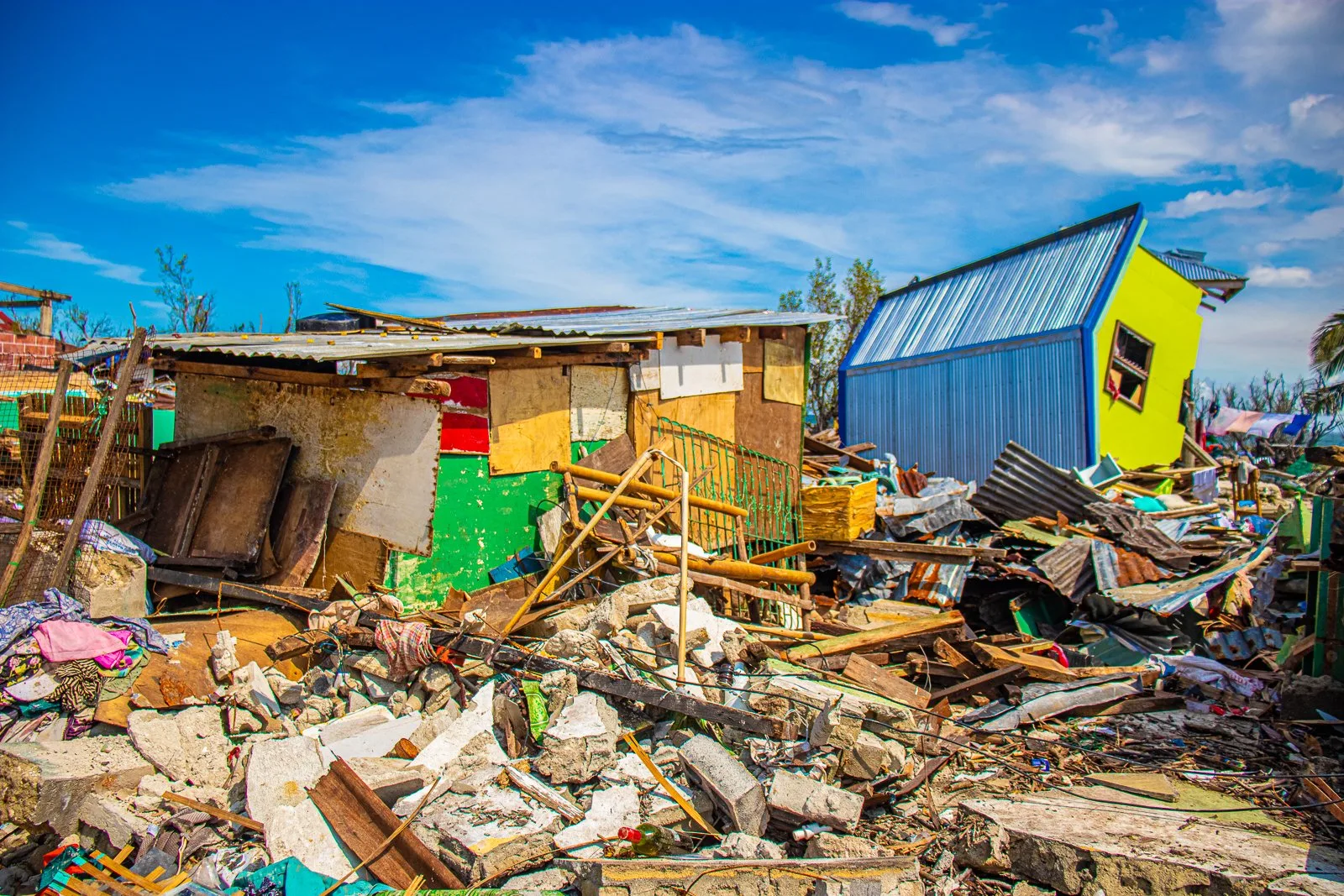
Special Issue on

Advancing Climate Change Adaptation for Disaster Risk Reduction and Resilience in the Global South: Emerging Evidence from Research and Practice
The Special Issue to be published in the Disaster Prevention and Management Journal addresses the growing demand for action-oriented disaster governance and climate change adaptation research from the Global South, where locally relevant evidence on disasters and adaptation remains comparatively under-represented in the peer-reviewed literature.
It aims to strengthen the evidence base for inclusive disaster risk reduction and climate change adaptation by advancing practice-informed scholarship from the Global South. Specifically, it seeks to
- generate new insights into disaster and adaptation governance, effectiveness, and equity;
- examine how institutional, political, and knowledge systems shape DRR governance systems, adaptation design and implementation;
- contribute to debates on community-based DRR, locally led adaptation, community-based adaptation, and the research–policy–practice interface; and
- enhance the visibility of high-quality research by emerging scholars and practitioners from Latin America, Asia, Africa, and other regions of the Global South.
While the thematic focus will be shaped by the submitted manuscripts, all contributions will examine the realities, constraints, and lessons of practising disaster risk reduction and climate change adaptation across diverse sectors, hazards, and governance contexts.
These overarching themes may be covered in the Special Issue:
– Locally led adaptation, community-based disaster risk reduction, Indigenous knowledge, and community action
– Practising adaptation: governance, institutions, and implementation
– Climate and disaster-resilient livelihoods, food systems, and ecosystems
– Equity, gender, finance, and inclusive adaptation
– Knowledge, learning, and evidence for adaptation decision-making
About the Disaster Prevention and Management Journal
DPM is an international journal published by Emerald Publishing that publishes high-quality research that advances knowledge and practice in disaster risk reduction and management, as well as climate change adaptation. The primary audience of DPM comprises social scientists, policymakers, and practitioners. Nonetheless, it welcomes submissions from diverse academic disciplines, provided they address its core readership. It especially encourages early-career researchers, authors from less-developed countries, and non-native English speakers to contribute.
It has a Scopus CiteScore of 3.7, indicating that, on average, each article published in the journal over a four-year period was cited 3.7 times. It also has an impact factor of 2 for 2024. In the social sciences, these metrics are considered solid and reputable.
Types of submission accepted
| Research Paper | It should be up to 7,000 words (including references, appendices, figures, tables and acknowledgements). This includes conceptual and theoretical reflections, methodological contributions, and case studies. |
| Editorial | Introduction to an issue written by the journal Editor or Guest Editor. |
| Book Review | For book reviews, reviewers are encouraged to send their review to the book author(s) to solicit a reply, which will be published along with the review. |
| Short Paper | It should be no longer than 4,000 words. Includes commentaries, policy and practice briefings and field reports. |
| Photo Essays | Photo essays are designed to convey academic arguments and/or advocate for any dimensions of disaster risk reduction in both a visual and artistic fashion. Authors are reminded that if the photos are not theirs, they should seek permission from the original authors. Whenever appropriate, permission from individuals featured in the photos may also be requested. |
| Views from the Communities | Provides a space for those at the forefront of disaster risk reduction, especially people at risk, to voice their experiences, concerns and initiatives. It also caters to practitioners of participatory research to publish the outcomes of their activities. The editors assess submissions based on their originality. They do not undergo any academic peer review or major language editing. |
Submission
Submission for review is now open until 30 August 2026.
Author Guidelines
These guidelines are found here.
Submit here.
Comments
There is no contentYou must be logged in to reply.