Building resilience by empowering women and girls: highlights from ARA micro-grants

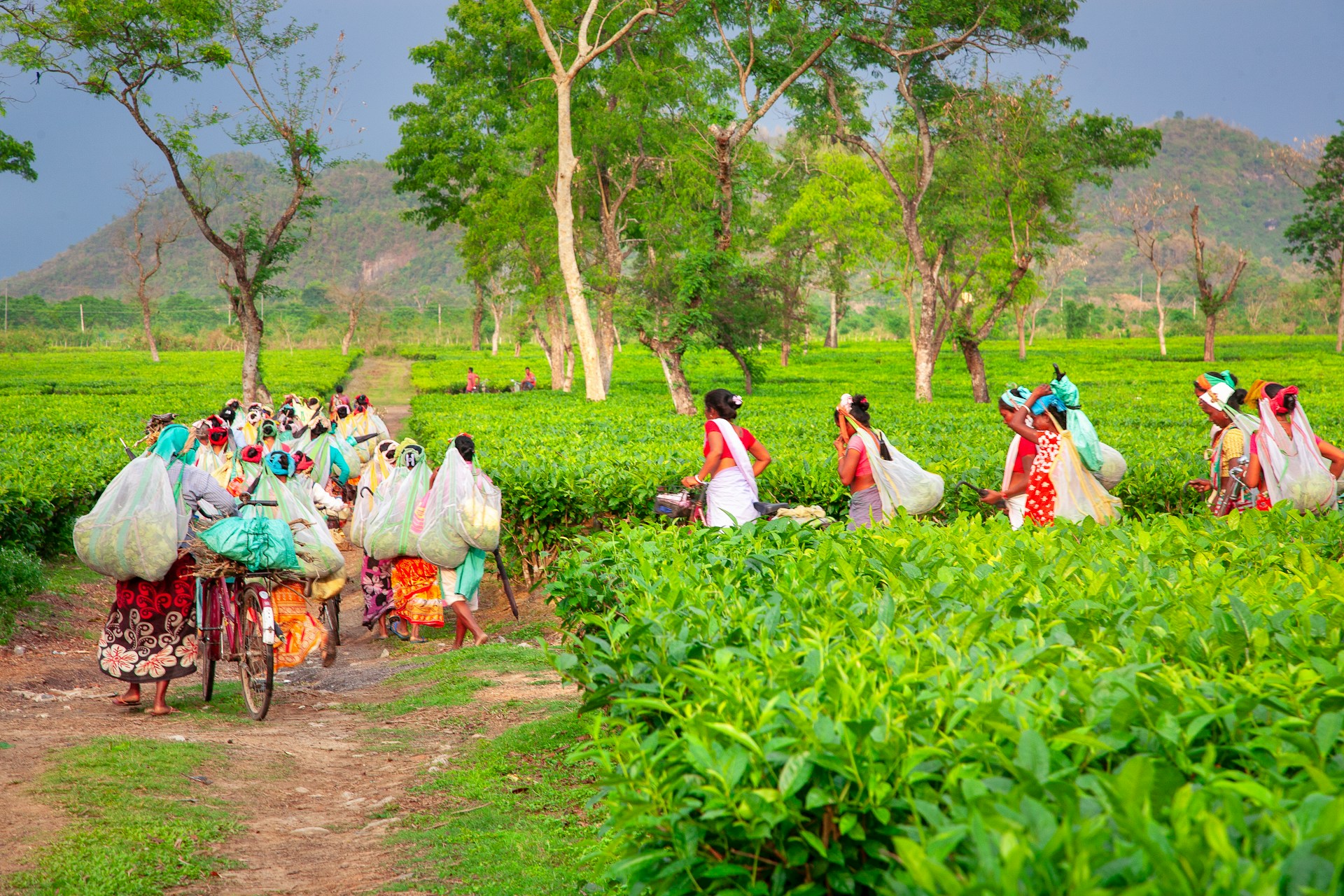
Women and girls are widely recognized as particularly vulnerable to climate change impacts – not due to inherent weaknesses, but because in much of the world, they have fewer assets and less agency and power than men and boys. Without careful attention to gender equality and social inclusion (GESI), adaptation processes may unintentionally reinforce those disparities and deepen vulnerabilities.
This is why, from the outset, the ARA has embraced GESI as a core value. The ARA is committed to promoting gender-transformative adaptation research that not only ensures that women and girls can fully participate and benefit, but also tackles systemic inequities, striving to build a world in which discrimination and marginalization no longer exacerbate climate vulnerability.
When the ARA launched its 2023 Grassroots Action Research Micro-grants programme,1 gender and social inclusion issues featured prominently in several funded projects. To enable a deeper exploration of GESI issues, 9 of the 30 micro-grant recipients later received dedicated micro-grants for GESI activities.
These micro-grants provide valuable examples of adaptation research that challenges gender hierarchies, amplifies voices that are seldom heard, and builds resilience by empowering people and enhancing their capacities. They also highlight key barriers and ways to overcome them – all insights that can help ARA members and others design more effective future interventions.2
1. For an overview, see ARA (2023).
2. Unless otherwise noted, the information presented in this report is drawn from Viridia Projects (2024).
Comments
There is no contentYou must be logged in to reply.